Community-Supported Agriculture
Community-Supported Agriculture
Community Supported Agriculture, or CSA, offers a direct connection between consumers and local farms
Community Supported Agriculture, or CSA, offers a direct connection between consumers and local farms
July 01, 2025
July 01, 2025
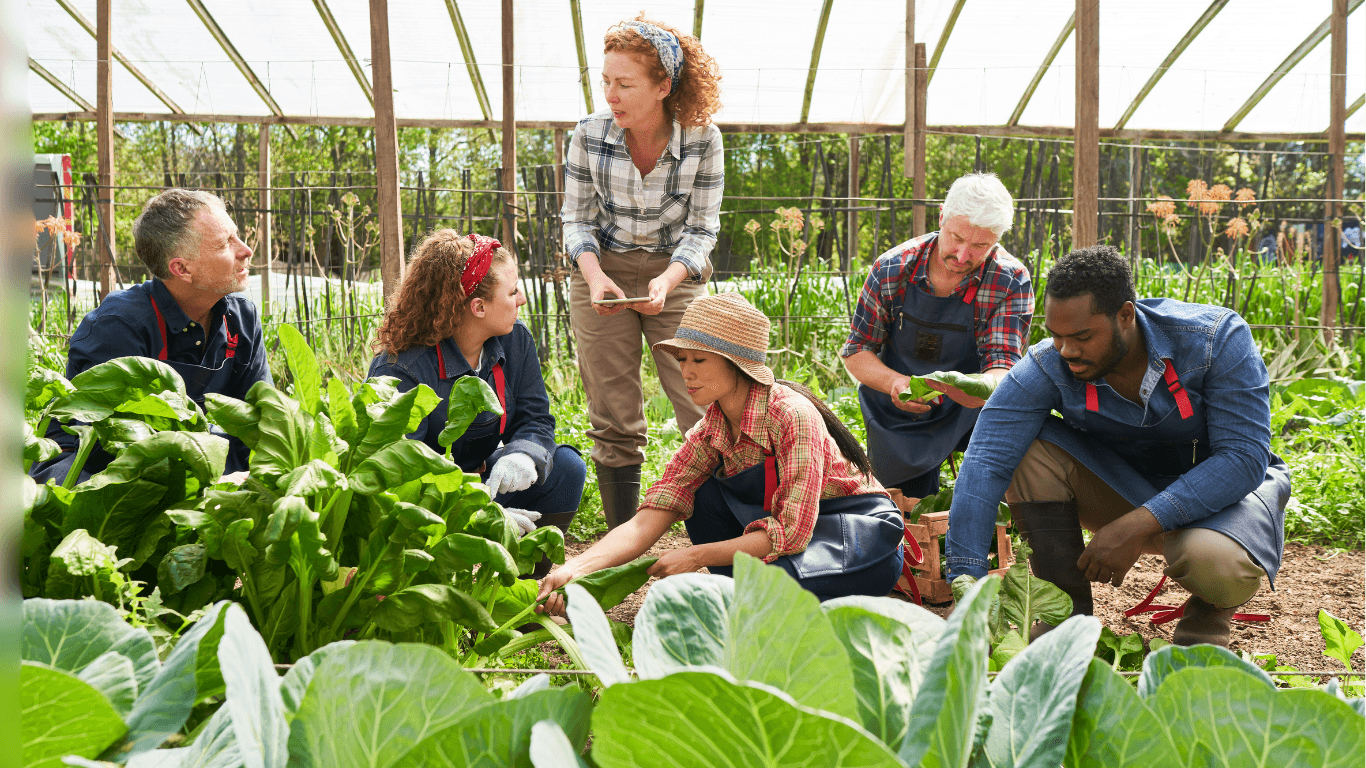
Community Supported Agriculture, or CSA, offers a direct connection between consumers and local farms through a subscription model that regularly delivers fresh, seasonal produce and other goods for all or part of the year. Rooted in a rich history of food justice and sustainability, CSAs help nourish both people and communities.
A CSA provides customers with a dependable supply of nutrient-rich, often organic, local produce delivered on a weekly, biweekly, or monthly basis. These boxes can include much more than vegetables—fruits, fresh bread, fermented goods, dried beans, oats, and even flowers may be part of the offering. Some farms also include a weekly newsletter featuring recipe ideas and updates from the farm.
CSA History
Though often credited to movements in Japan and Europe, the roots of CSAs in the United States trace back to the 1960s and the work of Dr. Booker T. Whatley, a Black horticulturist and professor at Tuskegee University in Alabama. Motivated by the decline of Black-owned farms and the promise of regenerative agriculture, Dr. Whatley developed “clientele membership clubs”—a direct-to-consumer model that allowed farmers to plan production, anticipate demand, and secure a stable market. These clubs emphasized environmental stewardship, community connection, and educational experiences, laying the foundation for today’s CSA, farm-to-table, and pick-your-own models.
CSA Benefits
Customers receive fresh, ethical, and headache-free produce on a consistent basis. By subscribing to a CSA, individuals support community-based agriculture while eating seasonally and responsibly.
Emerging research suggests that CSA participation may help increase weekly consumption of fruits and vegetables, contributing to healthier diets.
Beyond the food itself, CSA members often place high value on their direct relationship with local farms. This connection fosters a sense of ownership over one’s food source and deepens community ties—creating a level of engagement that sets CSA apart from other food purchasing options.
Farmers also gain vital support. The upfront commitment from subscribers provides farmers with a reliable stream of income, enabling them to plan for the season, purchase seeds and supplies, and pay their staff without waiting until harvest. This financial stability allows farms to offer living wages, invest in improvements, and dedicate time to initiatives such as soil health and community education on ethical farming.
Joining a CSA
To get started, begin by exploring online directories such as the U.S. Department of Agriculture's CSA directory, which allows searches by location and the ability to compare different CSA offerings in the area. Another option is to visit the local farmers’ market and talk directly with vendors—many of whom operate CSA programs—and learn more about the produce they offer. Reach out to small farms in the region by checking their websites or social media pages, where CSA options, pricing, and pickup or delivery details are often listed. Signing up is usually as simple as completing a form, selecting the preferred share size and schedule, and making a payment. Some programs offer add-ons like eggs, dairy, or flowers, providing additional ways to connect with the local food system.
This article was republished with permission and originally authored and appeared in KnoWEwell.com.
Community Supported Agriculture, or CSA, offers a direct connection between consumers and local farms through a subscription model that regularly delivers fresh, seasonal produce and other goods for all or part of the year. Rooted in a rich history of food justice and sustainability, CSAs help nourish both people and communities.
A CSA provides customers with a dependable supply of nutrient-rich, often organic, local produce delivered on a weekly, biweekly, or monthly basis. These boxes can include much more than vegetables—fruits, fresh bread, fermented goods, dried beans, oats, and even flowers may be part of the offering. Some farms also include a weekly newsletter featuring recipe ideas and updates from the farm.
CSA History
Though often credited to movements in Japan and Europe, the roots of CSAs in the United States trace back to the 1960s and the work of Dr. Booker T. Whatley, a Black horticulturist and professor at Tuskegee University in Alabama. Motivated by the decline of Black-owned farms and the promise of regenerative agriculture, Dr. Whatley developed “clientele membership clubs”—a direct-to-consumer model that allowed farmers to plan production, anticipate demand, and secure a stable market. These clubs emphasized environmental stewardship, community connection, and educational experiences, laying the foundation for today’s CSA, farm-to-table, and pick-your-own models.
CSA Benefits
Customers receive fresh, ethical, and headache-free produce on a consistent basis. By subscribing to a CSA, individuals support community-based agriculture while eating seasonally and responsibly.
Emerging research suggests that CSA participation may help increase weekly consumption of fruits and vegetables, contributing to healthier diets.
Beyond the food itself, CSA members often place high value on their direct relationship with local farms. This connection fosters a sense of ownership over one’s food source and deepens community ties—creating a level of engagement that sets CSA apart from other food purchasing options.
Farmers also gain vital support. The upfront commitment from subscribers provides farmers with a reliable stream of income, enabling them to plan for the season, purchase seeds and supplies, and pay their staff without waiting until harvest. This financial stability allows farms to offer living wages, invest in improvements, and dedicate time to initiatives such as soil health and community education on ethical farming.
Joining a CSA
To get started, begin by exploring online directories such as the U.S. Department of Agriculture's CSA directory, which allows searches by location and the ability to compare different CSA offerings in the area. Another option is to visit the local farmers’ market and talk directly with vendors—many of whom operate CSA programs—and learn more about the produce they offer. Reach out to small farms in the region by checking their websites or social media pages, where CSA options, pricing, and pickup or delivery details are often listed. Signing up is usually as simple as completing a form, selecting the preferred share size and schedule, and making a payment. Some programs offer add-ons like eggs, dairy, or flowers, providing additional ways to connect with the local food system.
This article was republished with permission and originally authored and appeared in KnoWEwell.com.
— KnoWEwell
— KnoWEwell
our journal
our journal
More insights for you.
More insights for you.
Explore more reflections, guidance, and practical tools to support your growth and well-being.
Explore more reflections, guidance, and practical tools to support your growth and well-being.

Humans have an inherent need for social connection. Community is as vital to our well-being as food, water, and shelter. For much of human history, survival depended on mutual support and cooperation.

Mounting evidence reveals that chronic exposure to environmental toxins may be altering human biology in ways that endanger long-term survival.
Mounting evidence reveals that chronic exposure to environmental toxins may be altering human biology in ways that endanger long-term survival.
Your questions.
Answered.
Not sure what to expect? These answers might help you feel more confident as you begin.
Didn’t find your answer? Send us a message — we’ll respond with care and clarity.
What is the Regenerative Whole Health Hub?
A unique global Hub that connects individuals, providers, and organizations into one thriving ecosystem — making whole health more accessible, affordable, and community-driven.
What is the Regenerative Whole Health Hub?
A unique global Hub that connects individuals, providers, and organizations into one thriving ecosystem — making whole health more accessible, affordable, and community-driven.
How does KnoWEwell help people?
How does KnoWEwell help people?
By providing trusted resources, multimedia education, and valuable discounts on healing programs, services, and courses. Members can also find safe, trusted, vetted practitioners to guide their healing journey.
How are practitioners vetted?
How are practitioners vetted?
KnoWEwell conducts comprehensive reviews of practitioner submission forms, credentials, affiliations and referrals. In addition for Silver and Gold providers, the industry leading organization conducts OCI medicare/medicaid fraud checks, and criminal background checks, respectively.
What can practitioners and providers do on KnoWEwell?
What can practitioners and providers do on KnoWEwell?
Get vetted to start with a directory listing or build a branded storefront, be published, offer services and courses, host private membership communities, events or be invited to KnoWEwell's Council.
How do organizations benefit?
How do organizations benefit?
Organizations can amplify their mission, engage members, and preserve their legacy in a supportive global community.
Why KnoWEwell?
Why KnoWEwell?
Because together we inspire hope, empower change, fuel growth, and regenerate health for people and planet.
Your questions.
Answered.
Not sure what to expect? These answers might help you feel more confident as you begin.
What is the Regenerative Whole Health Hub?
A unique global Hub that connects individuals, providers, and organizations into one thriving ecosystem — making whole health more accessible, affordable, and community-driven.
What is the Regenerative Whole Health Hub?
A unique global Hub that connects individuals, providers, and organizations into one thriving ecosystem — making whole health more accessible, affordable, and community-driven.
How does KnoWEwell help people?
How does KnoWEwell help people?
By providing trusted resources, multimedia education, and valuable discounts on healing programs, services, and courses. Members can also find safe, trusted, vetted practitioners to guide their healing journey.
How are practitioners vetted?
How are practitioners vetted?
KnoWEwell conducts comprehensive reviews of practitioner submission forms, credentials, affiliations and referrals. In addition for Silver and Gold providers, the industry leading organization conducts OCI medicare/medicaid fraud checks, and criminal background checks, respectively.
What can practitioners and providers do on KnoWEwell?
What can practitioners and providers do on KnoWEwell?
Get vetted to start with a directory listing or build a branded storefront, be published, offer services and courses, host private membership communities, events or be invited to KnoWEwell's Council.
How do organizations benefit?
How do organizations benefit?
Organizations can amplify their mission, engage members, and preserve their legacy in a supportive global community.
Why KnoWEwell?
Why KnoWEwell?
Because together we inspire hope, empower change, fuel growth, and regenerate health for people and planet.
Didn’t find your answer? Send us a message — we’ll respond with care and clarity.
Your questions.
Answered.
Not sure what to expect? These answers might help you feel more confident as you begin.
Didn’t find your answer? Send us a message — we’ll respond with care and clarity.
What is the Regenerative Whole Health Hub?
A unique global Hub that connects individuals, providers, and organizations into one thriving ecosystem — making whole health more accessible, affordable, and community-driven.
What is the Regenerative Whole Health Hub?
A unique global Hub that connects individuals, providers, and organizations into one thriving ecosystem — making whole health more accessible, affordable, and community-driven.
How does KnoWEwell help people?
How does KnoWEwell help people?
By providing trusted resources, multimedia education, and valuable discounts on healing programs, services, and courses. Members can also find safe, trusted, vetted practitioners to guide their healing journey.
How are practitioners vetted?
How are practitioners vetted?
KnoWEwell conducts comprehensive reviews of practitioner submission forms, credentials, affiliations and referrals. In addition for Silver and Gold providers, the industry leading organization conducts OCI medicare/medicaid fraud checks, and criminal background checks, respectively.
What can practitioners and providers do on KnoWEwell?
What can practitioners and providers do on KnoWEwell?
Get vetted to start with a directory listing or build a branded storefront, be published, offer services and courses, host private membership communities, events or be invited to KnoWEwell's Council.
How do organizations benefit?
How do organizations benefit?
Organizations can amplify their mission, engage members, and preserve their legacy in a supportive global community.
Why KnoWEwell?
Why KnoWEwell?
Because together we inspire hope, empower change, fuel growth, and regenerate health for people and planet.
Copyright © 2017 - 2026 KnoWEwell, P.B.C. All rights reserved
Be in the Know
Be in the know! Be the first to know what’s new with insights, events and specials from KnoWEwell and our Regenerative Whole Health ecosystem and Natural Awakenings magazine.
We’re on a mission to transform healthcare by inspiring and empowering WELLThier Living. - Happy. Healthy. Abundant. Purpose-Filled.

If you think you may have a medical emergency, call your doctor or dial 9-1-1 immediately. The content of this site is for informational purposes only. The content is not intended to be a substitute for professional medical, health, wellness or healing advice, diagnosis, or treatment. KnoWEwell does not provide medical advice, diagnosis, or treatment. Always seek the advice of your physician or other qualified health providers with any questions you may have regarding a medical condition. Never disregard professional medical advice or delay in seeking it because of something you have read on this site. KnoWEwell assumes no liability for the use or misuse of the content on this site. KnoWEwell does not recommend or endorse any specific tests, therapies, practices, providers, products, procedures, opinions, or other information that may be mentioned on this site. Reliance on any information furnished by KnoWEwell, KnoWEwell’s employees, others appearing on this site is solely at your own risk.
Copyright © 2017 - 2026 KnoWEwell, P.B.C. All rights reserved
Be in the Know
Be in the know! Be the first to know what’s new with insights, events and specials from KnoWEwell and our Regenerative Whole Health ecosystem and Natural Awakenings magazine.
We’re on a mission to transform healthcare by inspiring and empowering WELLThier Living. - Happy. Healthy. Abundant. Purpose-Filled.
If you think you may have a medical emergency, call your doctor or dial 9-1-1 immediately. The content of this site is for informational purposes only. The content is not intended to be a substitute for professional medical, health, wellness or healing advice, diagnosis, or treatment. KnoWEwell does not provide medical advice, diagnosis, or treatment. Always seek the advice of your physician or other qualified health providers with any questions you may have regarding a medical condition. Never disregard professional medical advice or delay in seeking it because of something you have read on this site. KnoWEwell assumes no liability for the use or misuse of the content on this site. KnoWEwell does not recommend or endorse any specific tests, therapies, practices, providers, products, procedures, opinions, or other information that may be mentioned on this site. Reliance on any information furnished by KnoWEwell, KnoWEwell’s employees, others appearing on this site is solely at your own risk.
Copyright © 2017 - 2026 KnoWEwell, P.B.C. All rights reserved
Be in the Know
Be in the know! Be the first to know what’s new with insights, events and specials from KnoWEwell and our Regenerative Whole Health ecosystem and Natural Awakenings magazine.
We’re on a mission to transform healthcare by inspiring and empowering WELLThier Living. - Happy. Healthy. Abundant. Purpose-Filled.
If you think you may have a medical emergency, call your doctor or dial 9-1-1 immediately. The content of this site is for informational purposes only. The content is not intended to be a substitute for professional medical, health, wellness or healing advice, diagnosis, or treatment. KnoWEwell does not provide medical advice, diagnosis, or treatment. Always seek the advice of your physician or other qualified health providers with any questions you may have regarding a medical condition. Never disregard professional medical advice or delay in seeking it because of something you have read on this site. KnoWEwell assumes no liability for the use or misuse of the content on this site. KnoWEwell does not recommend or endorse any specific tests, therapies, practices, providers, products, procedures, opinions, or other information that may be mentioned on this site. Reliance on any information furnished by KnoWEwell, KnoWEwell’s employees, others appearing on this site is solely at your own risk.
Regenerative Whole Healthcare Benefits
Business Services
Subtxt
Find Your Best-Match in the Regenerative Whole Health Hub
Regenerative Whole Healthcare Benefits
Business Services
Subtxt
Find Your Best-Match in the Regenerative Whole Health Hub